Best Cheese for Smoking A Smokers Guide to Deliciousness
Kicking off with the rich history and cultural significance of smoking cheese, you'll embark on a journey to discover the best cheese for smoking.
Smoking cheese is not just a cooking method, but an art form that dates back thousands of years, and its impact on the artisanal cheese landscape is undeniable. From farmstead to industrial cheese production, the diversity of cheese-making traditions is unparalleled, and global influences have left an indelible mark on the industry.
Exploring the Artisanal World of Smoking Cheese
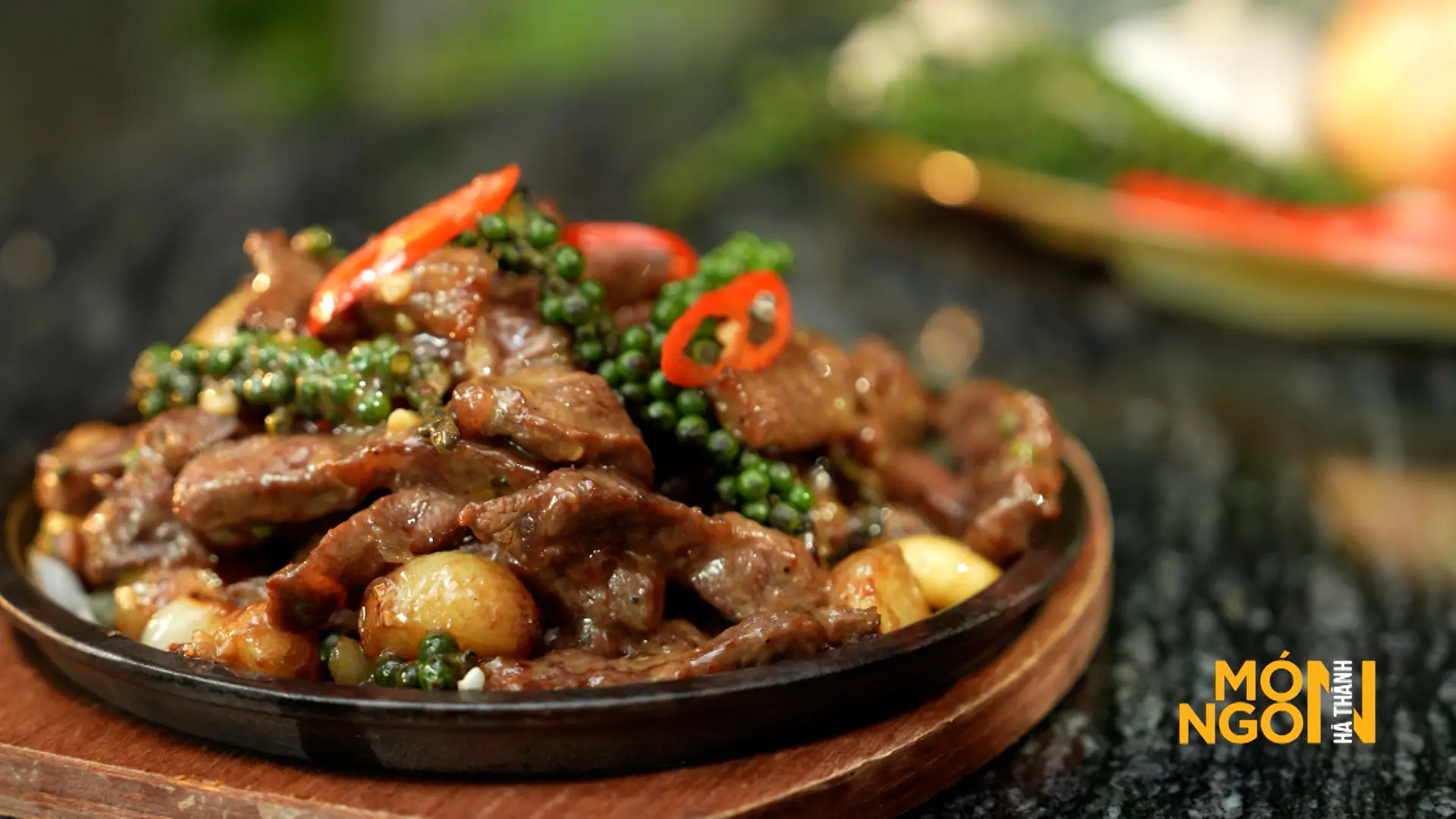
Smoking cheese is an ancient tradition that has been practiced in various regions of the world for centuries. The process of smoking cheese involves exposing the cheese to smoke, which imparts a unique flavor and aroma to the final product. This technique has been passed down through generations, with each region developing its own distinct style and approach.Smoking cheese is not just a matter of preserving cheese, but it's also an art form that requires great skill and attention to detail.
The art of smoking cheese is a testament to the ingenuity and creativity of cheese makers around the world. From the rolling hills of the Swiss Alps to the sun-kissed vineyards of Tuscany, the art of smoking cheese is a cherished tradition that brings people together.
The History of Smoking Cheese
Smoking cheese dates back to the days of ancient civilizations, where it was used as a way to preserve cheese for long periods of time. The process of smoking cheese was first used by the indigenous peoples of North America, who would smoke their cheese to preserve it for the harsh winter months. This traditional method of smoking cheese was later adopted by European settlers, who brought their own unique techniques and traditions with them.
- The Early Days of Smoking Cheese: Smoking cheese was first used by the indigenous peoples of North America, who would smoke their cheese to preserve it for the long winter months. This traditional method of smoking cheese was later adopted by European settlers, who brought their own unique techniques and traditions with them.
- Smoke Houses and Cheese Caves: Smoke houses and cheese caves were built to house the smoked cheese, providing a controlled environment that allowed the cheese to age slowly and develop a unique flavor. These structures were often built underground, where the natural temperature and humidity of the earth helped to preserve the cheese.
- From Preservation to Artisanship: Over time, the art of smoking cheese evolved from a practical necessity to an art form. Cheese makers began to experiment with different types of wood, smoking techniques, and aging processes, leading to a wide range of unique and delicious cheese styles.
Regional Smoking Cheese Traditions
Smoking cheese is a beloved tradition that is practiced in many different regions of the world. From the rolling hills of the Swiss Alps to the sun-kissed vineyards of Tuscany, each region has its own unique approach to smoking cheese. Here are a few examples of regional smoking cheese traditions:
- Swiss Alps: Smoked cheese is a staple of Swiss cuisine, with many different types of cheese being smoked to preserve it. One of the most famous smoked cheeses is the Emmental, which is smoked using a combination of applewood and alder wood.
- Tuscany: Smoked cheese is a key element of Tuscan cuisine, with many different types of cheese being smoked to add flavor and texture. One of the most popular smoked cheeses is the Pecorino, which is made from sheep's milk and smoked using a combination of oak and beech wood.
- Cuba: Smoked cheese is a staple of Cuban cuisine, with many different types of cheese being smoked to preserve it. One of the most famous smoked cheeses is the Queso Blanco, which is smoked using a combination of corncob and wood.
Cheese-Making Traditions
Smoking cheese is not just a matter of exposing cheese to smoke, it's also an art form that requires great skill and attention to detail. Cheese-making traditions vary widely depending on the region and the type of cheese being made. Here are a few examples of cheese-making traditions:
Table of Contents
- Exploring the Artisanal World of Smoking Cheese
- The History of Smoking Cheese
- Regional Smoking Cheese Traditions
- Cheese-Making Traditions
- The Impact of Global Influences on Artisanal Cheese
- Evaluating the Best Cheeses for Smoking
- Top Cheese Varieties for Smoking
- US Cheeses
- European Cheeses
- Soft-Ripened Cheeses
- Hard Cheeses
- Smoking Requirements, Best cheese for smoking
- Aging and Ripening
- The Impact of Smoke on Cheese Flavor
- Phenolics: The Building Blocks of Smoky Flavor
- Terpenes: The Unseen Component of Smoky Flavor
- Volatile Compounds: The Quick-Smoking Champions
- Smoke and Cheese Pairings: A Match Made in Heaven
- The Role of Cheese Rind in Smoking: Best Cheese For Smoking
- The Importance of Cheese Rind in Flavor Absorption
- Types of Cheese Rinds and Their Effects on Smoked Cheese
- Guidelines for Choosing the Best Rind Type for Smoking Cheese
- Tables and Lists for Choosing the Best Rind Type
- Saving the Craftsmanship of Cheese Smoking
- The Story of Artisanal Cheesemakers
- Preserving the Knowledge
- Conclusive Thoughts
- FAQ Section
- Farmstead Cheese: Farmstead cheese is made on a small scale using traditional techniques and equipment. Farmstead cheese is often smoked using a combination of wood and natural yeast, which gives it a unique flavor and aroma.
- Artisanal Cheese: Artisanal cheese is made using traditional techniques and equipment, but on a larger scale than farmstead cheese. Artisanal cheese is often smoked using a combination of wood and natural yeast, which gives it a unique flavor and aroma.
- Industrial Cheese: Industrial cheese is made using modern equipment and techniques, which allows for mass production and uniform quality. Industrial cheese is often smoked using a combination of gas and artificial flavorings, which gives it a consistent flavor and texture.
The Impact of Global Influences on Artisanal Cheese
The artisanal cheese landscape has been transformed by global influences, which have introduced new techniques, ingredients, and cultural practices. Here are a few examples of the impact of global influences on artisanal cheese:
- Culinary Tourism: Culinary tourism has led to an increase in the popularity of artisanal cheese, as travelers and food enthusiasts seek out unique and authentic experiences. This has resulted in the growth of cheese tourism, where visitors can learn about and taste artisanal cheese from around the world.
- Food Trade Agreements: Food trade agreements have made it easier for artisanal cheese makers to export their products to new markets, which has introduced new flavors and techniques to the global cheese landscape. For example, the United States-Canada Free Trade Agreement has allowed artisanal cheese makers in Canada to export their products to the United States, where they can be sold in specialty stores and restaurants.
- Cheese-Making Innovations: Cheese-making innovations have introduced new techniques and ingredients to the art of smoking cheese, which has led to the creation of unique and exciting cheese styles. For example, the use of plant-based ingredients and vegan cheese-making techniques has created a new market for artisanal cheese enthusiasts who follow a plant-based diet.
Evaluating the Best Cheeses for Smoking

As the art of smoking cheese continues to gain popularity, selecting the right cheese variety is crucial for achieving optimal results. A wide range of cheeses can be successfully smoked, each with its unique characteristics and requirements. In this section, we'll delve into the world of artisanal cheese smoking, exploring the top cheese varieties for this technique.
Top Cheese Varieties for Smoking
When it comes to smoking cheese, the type of cheese used is just as important as the smoking process itself. Here are some of the top cheese varieties for smoking, categorized by region and characteristic:
US Cheeses
The United States is home to a diverse range of cheese-making traditions, with many artisanal cheesemakers creating unique and flavorful cheeses that are well-suited for smoking.
- Monterey Jack: A semi-soft cheese with a mild flavor and a relatively high moisture content, making it an ideal choice for smoking.
- Aged Gouda: A rich, nutty cheese with a complex flavor profile and a smooth texture, perfect for smoking.
- Cheddar: A classic cheese with a sharp, tangy flavor and a firm texture, ideal for smoking with a robust smoke flavor.
European Cheeses
Europe is renowned for its rich cheese-making heritage, with many traditional cheeses well-suited for smoking.
Soft-Ripened Cheeses
Soft-ripened cheeses, with their delicate white rinds and creamy textures, offer a unique smoking experience.
- Camembert: A small, round cheese with a white rind and a creamy interior, perfect for smoking with a light, delicate flavor.
- Brie: A soft, creamy cheese with a white rind and a mild, earthy flavor, ideal for smoking with a subtle smoke flavor.
- Goat Gouda: A semi-soft cheese with a mild flavor and a creamy texture, well-suited for smoking.
Hard Cheeses
Hard cheeses offer a more robust smoking experience, with a firmer texture and a more pronounced flavor.
- Comté: A firm, nutty cheese with a rich flavor and a smooth texture, perfect for smoking.
- Grana Padano: A hard, aged cheese with a sharp, salty flavor and a firm texture, ideal for smoking with a robust smoke flavor.
Smoking Requirements, Best cheese for smoking
Every cheese variety has its unique smoking requirements, taking into account factors like temperature, time, and smoke characteristics.
Aging and Ripening
The aging and ripening process can significantly impact the texture and flavor of smoked cheese. Aged cheeses tend to be more robust and have a more pronounced flavor, while younger cheeses are often milder and creamier.
The Impact of Smoke on Cheese Flavor

The art of smoking cheese is a delicate balance of art and science, as the subtle nuances of flavor compounds can make or break the perfect smoked cheese. While the type of cheese and smoke are crucial factors in determining the final flavor, the process itself plays a significant role in shaping the final product. The smoke infuses the cheese with a rich array of compounds that can either enhance or obscure the natural flavor profiles, depending on the variety and smoke type.
Phenolics: The Building Blocks of Smoky Flavor
Phenolics, a class of compounds found in wood, are responsible for the smoky flavor and aroma. These complex molecules are created during the smoking process, when the smoke interacts with the cheese's fat and protein structures. The resulting phenolic compounds can vary greatly in terms of their structure and intensity, depending on the type of wood used for smoking. For instance, hickory wood, commonly used for smoking cheese, contains high levels of guaiacol, a phenolic compound that contributes to the strong, sweet, and smoky flavors often associated with hickory-smoked cheese.
Terpenes: The Unseen Component of Smoky Flavor
Terpenes, found in plants and trees, play a lesser-known but crucial role in the smoky flavor of cheese. These compounds are responsible for the fruit and floral notes that can be detected in smoked cheese. Terpenes are highly volatile and can evaporate quickly, making them difficult to detect, but their impact on the flavor profile of the cheese is significant.
For example, the terpenes found in applewood smoke can impart a fruity and floral flavor to the cheese, perfectly complementing the sweetness of the applewood.
Volatile Compounds: The Quick-Smoking Champions
Volatile compounds, such as aldehydes and ketones, are highly reactive molecules that contribute to the intense, smoky flavor of cheese. These compounds are created when the smoke interacts with the cheese's fat molecules, resulting in a series of chemical reactions that create new flavor compounds. Fast-smoking techniques, such as cold smoking, rely on the production of volatile compounds to infuse the cheese with a delicate, smoky flavor.
However, over-smoking can lead to the formation of unwanted flavor compounds, such as acrolein, which can impart a bitter, unpleasant taste.
Smoke and Cheese Pairings: A Match Made in Heaven
The type of smoke used can greatly enhance or obscure the natural flavor profiles of different cheese varieties. Here are some classic pairings that showcase the unique qualities of each smoke type:
- Hickory and Cheddar: The strong, sweet, and smoky flavor of hickory-smoked cheese makes it a perfect match for sharp cheddar cheese.
- Oak and Gouda: The mild, nutty flavor of oak-smoked cheese complements the rich, creamy texture of gouda cheese.
- Applewood and Brie: The fruity and floral flavors of applewood-smoked cheese perfectly balance the creamy, buttery texture of brie cheese.
The art of smoking cheese is a complex interplay of flavors, textures, and techniques. By understanding the impact of smoke on cheese flavor and experimenting with different types of cheese and smoke, you can create some truly unique and mouth-watering flavors.
The Role of Cheese Rind in Smoking: Best Cheese For Smoking
When it comes to smoking cheese, the role of the cheese rind cannot be overstated. The rind is the exterior layer of the cheese, and it plays a critical role in absorbing flavors and aromas from the smoking process. In fact, the type of cheese rind can have a significant impact on the overall flavor and texture of the smoked cheese.
When it comes to smoking cheese, a perfect blend of flavors and textures is key, just like a bridge's design can make or break its structural integrity - after all, a best design for a truss bridge is crucial to prevent mid-span sag and maximize load-bearing capacity, similarly, selecting the right cheese to smoke can be a delicate process, especially when combining flavors like smoky Gouda or mocha-swirled Cheddar.
The Importance of Cheese Rind in Flavor Absorption
The cheese rind acts as a sponge, soaking up the flavors and aromas from the smoke. This is especially true for cheeses with a high moisture content, such as mozzarella or feta. As the smoke interacts with the rind, it infuses the cheese with a rich, savory flavor that is unlike anything else. Conversely, cheeses with a low moisture content, such as cheddar or parmesan, tend to retain their natural flavor profiles, even after smoking.
Types of Cheese Rinds and Their Effects on Smoked Cheese
There are several types of cheese rinds, each with its own unique characteristics. For example, the rind of a washed-rind cheese, such as Limburger or Taleggio, is intentionally left uncovered to promote the growth of beneficial bacteria. This results in a strong, pungent flavor that is often associated with washed-rind cheeses. On the other hand, the rind of a dry-rind cheese, such as Parmigiano-Reggiano or Comté, is left to dry and form a hard, crunchy texture.
This type of rind helps to preserve the cheese and adds a nutty, earthy flavor to the smoking process.
Guidelines for Choosing the Best Rind Type for Smoking Cheese
When it comes to choosing the best rind type for smoking cheese, there are several factors to consider. For example, if you're looking to create a strong, pungent flavor, a washed-rind cheese may be the way to go. However, if you prefer a milder flavor, a dry-rind cheese may be a better option. Additionally, the type of smoke used can also impact the flavor of the cheese.
When it comes to pairing the perfect cheese with smoke, it's essential to consider the nuances of flavor and temperature. Just as a well-balanced aquarium relies on the right combination of cleaner fish like the zebra danio to maintain optimal water quality, the right cheese for smoking requires a delicate balance of fat and acidity. For a classic combination, try pairing robust cheddar or gouda with a rich, full-bodied merlot.
For example, a sweet, fruity smoke may complement the natural flavors of a mozzarella or feta, while a more robust, savory smoke may be better suited for a cheddar or parmesan.
Tables and Lists for Choosing the Best Rind Type
Here's a table highlighting some popular cheese rinds and their effects on smoked cheese:
There are many other options available, and the best rind type for your cheese will depend on your personal preference.
| Rind Type | Flavor Profile | Texture || --- | --- | --- || Washed-Rind | Strong, Pungent | Soft, Creamy || Dry-Rind | Nutty, Earthy | Hard, Crunchy || White-Rind | Mild, Buttery | Soft, Creamy || Blue-Rind | Pungent, Tangy | Soft, Creamy |
It's worth noting that these are general guidelines, and the best rind type for your cheese will ultimately depend on your personal preference.
Saving the Craftsmanship of Cheese Smoking
Cheese smoking, a traditional art form that has been passed down through generations, is gaining significant attention in the contemporary culinary world. From the United States to Europe, artisanal cheesemakers are reinventing the wheels of production, making this technique an authentic expression of local traditions and artisanal craftsmanship. The rise of hand-built cheese smoking equipment has led to an influx of new flavors, aromas, and unique products that showcase the art of transforming milk into a gastronomic masterpiece.The value of these hand-built cheese smoking equipment cannot be overstated.
Unlike modern industrial methods, which often prioritize speed and efficiency over quality, handmade equipment encourages artisanal cheesemakers to experiment with unique techniques and flavors. Each piece of equipment is carefully crafted to enhance the cheese smoking process, resulting in a distinct and authentic taste experience that reflects the cheesemaker's personal touch. By embracing traditional methods and equipment, artisans can create cheeses that embody the essence of their region and community.Cheesemakers like Thomas Keller, renowned chef and restaurateur, have taken the art of cheese smoking to new heights.
Keller's dedication to authentic, handmade production techniques has yielded unparalleled results, such as his famous "Orcas cheese." This type of commitment to quality and tradition resonates with the hearts of aficionados who crave an authentic, genuine cheese-smoking experience.
The Story of Artisanal Cheesemakers
One such artisanal cheesemaker is Will Hall, the master behind the critically acclaimed cheese, Vella's "Valley Ford Aged Cheddar." Hall's innovative approach to cheese smoking, paired with his dedication to using high-quality, locally sourced ingredients, has resulted in a sought-after product that embodies the essence of artisanal tradition.Another notable artisanal cheesemaker is Steve Jenkins, a pioneer of the artisanal cheese movement in the United States.
Jenkins' dedication to preserving traditional cheese-making techniques, combined with his willingness to experiment with new flavors and methods, has inspired a generation of cheesemakers to follow in his footsteps.
Preserving the Knowledge
As the popularity of artisanal cheese smoking continues to grow, it is essential to ensure that the knowledge and techniques are preserved and passed down to future generations. Organizations like the Cheese Marketing Institute, which provides a platform for cheesemakers to share their expertise and experiences, play a vital role in safeguarding the art of cheese smoking.Furthermore, the increasing number of artisanal cheesemaking workshops and online resources has made it simpler for aspiring cheesemakers to learn the traditional methods and practices associated with cheese smoking.
Websites like The Cheese School of San Francisco and The Artisan Cheese and Farm Market offer comprehensive courses and tutorials that cover everything from cheese-making basics to advanced techniques.By recognizing the value of artisanal craftsmanship and preserving the traditions of cheese smoking, we can safeguard the art of transforming milk into a gastronomic masterpiece for future generations to appreciate and enjoy.
- Detailed knowledge transmission between artisanal cheesemakers through workshops and online platforms ensures the preservation of traditional methods.
- The rise of artisanal cheesemaking has led to an increase in unique flavors and aromas, which contribute to the rich diversity of cheese smoking traditions.
- Hand-built equipment and locally sourced ingredients have enabled artisanal cheesemakers to experiment with a broader range of flavors and techniques.
| Artisanal Cheese Smokers | Product | Flavor Profile |
|---|---|---|
| Thomas Keller | Orcas Cheese | Moderate earthy flavors, with notes of caramel and hay. |
| Will Hall | Valley Ford Aged Cheddar | Rich, creamy texture with subtle smoky undertones. |
| Steve Jenkins | Burrata Cheese | Smooth consistency with a subtle sweetness and earthy undertones. |
Tradition and innovation are not mutually exclusive; they complement each other in the art of cheese smoking.
Conclusive Thoughts
Becoming a master cheese smoker takes time and practice, but with the right guide and knowledge, you can elevate your cheese game to new heights. By understanding the chemistry of smoking cheese, evaluating the best cheeses for smoking, and mastering the perfect cheese smoking method, you'll be well on your way to creating the most mouthwatering, aromatic cheese delights that will leave your friends and family begging for more.
FAQ Section
Q: What is the perfect cheese for smoking?
A: The perfect cheese for smoking is subjective and depends on personal preferences, but some popular options include Gouda, Cheddar, and Mozzarella.
Q: How long does it take to smoke cheese?
A: The smoking time varies depending on the cheese type, temperature, and desired level of smokiness, but typically ranges from 30 minutes to several hours.
Q: Can I smoke cheese at home?
A: Yes, with the right equipment and knowledge, you can successfully smoke cheese at home, but it's essential to follow proper food safety guidelines and use a reliable temperature control system.
Leave a Comment
Comments are moderated before appearing. The data you submit is processed according to the Privacy Policy of Webberrepresents.