Best Litter for Ferrets is More Than Just Absorbency
Kicking off with best litter for ferrets, this journey into the world of ferret care reveals that a single component can significantly determine the animal's health and overall happiness. A delicate balance of odor-free, non-toxic, and environmentally friendly litter is paramount to maintaining a thriving ferret family. From navigating the vast array of natural litters, to mastering the art of litter training, you're about to embark on an expedition that will arm you with the knowledge to ensure your furry friends enjoy the best start possible.
Choosing the perfect litter for your ferret is essential for their sensitive digestive system and to prevent respiratory problems. But what makes a litter truly ideal? From absorbency and odor control to dust levels and cost-effectiveness, we're about to dissect the intricate details of ferret litter and explore the most sought-after materials. We'll also be diving into the art of introducing new litters, litter box maintenance and hygiene, odor control, and even the eco-friendliness of litter options.
Factors to Consider When Selecting Litter
When it comes to choosing the right litter for your ferret, there are several essential characteristics to consider. A good litter should effectively control odors, minimize dust, and be cost-effective. These factors can significantly impact the overall health and comfort of your pet.
Odor Control
Ferrets are notorious for their potent scent, making odor control a crucial aspect of litter selection. A good litter should be able to absorb and neutralize ferret waste, minimizing the lingering smell. Some popular options include:
- Clay litters: Effective at controlling odors, but can create dust and be expensive.
- Natural litters: Made from materials like pine, corn, or wheat, these litters often contain antimicrobial properties that help reduce odors.
- Silica gel litters: Extremely effective at absorbing moisture and odor, but can be expensive and create dust.
Dust Level
Ferrets are prone to respiratory issues, making dust levels a critical consideration when choosing a litter. A low-dust litter is essential to prevent irritation and exacerbate existing conditions.
- Clay litters: High dust levels can exacerbate ferret respiratory issues.
- Natural litters: Often have lower dust levels, making them a suitable option for ferrets.
- Silica gel litters: Minimal dust, but can still create some particles.
Cost-Effectiveness
Litter costs can quickly add up, making cost-effectiveness an essential factor to consider. A good litter should provide excellent performance while being reasonably priced.
- Clay litters: Can be expensive, especially for high-quality options.
- Natural litters: Often more affordable, but may require frequent changing due to odor concerns.
- Silica gel litters: Generally more expensive, but provides excellent odor control and durability.
Natural vs. Synthetic Litters
Ferret litters can be broadly categorized into natural and synthetic options. Each type has its pros and cons, and understanding the differences can help you make an informed decision.
Table of Contents
- Factors to Consider When Selecting Litter
- Odor Control
- Dust Level
- Cost-Effectiveness
- Natural vs. Synthetic Litters
- Natural Litters
- Synthetic Litters
- Litter Training and Hygiene
- Litter Box Size and Placement
- Table: Litter Box Size and Capacity Guidelines
- Frequency of Cleaning
- Odor Control and Reduction
- Most Effective Litters for Minimizing Unpleasant Smells, Best litter for ferrets
- Odor-Neutralizing Products for Ferret Litter
- Ending Remarks: Best Litter For Ferrets
- Question Bank
Natural Litters
Natural litters are often made from sustainable materials, such as pine, corn, or wheat. These options can be biodegradable, compostable, and free from chemicals. However, natural litters may retain odors and require frequent changing.
- Pine litter: Effective at controlling odors, but may create dust and be expensive.
- Corn litter: Affordable, but may not be as effective at controlling odors.
- Wheat litter: Mild, non-toxic, and biodegradable, but may not be as effective at controlling odors.
Synthetic Litters
Synthetic litters, on the other hand, are often made from man-made materials like silica gel. These options provide excellent odor control and can be more durable than natural litters. However, they may create dust and be more expensive.
- Clay litter: Effective at controlling odors, but can create dust and be expensive.
- Silica gel litter: Extremely effective at absorbing moisture and odor, but can be expensive and create dust.
- Synthetic clay litter: A combination of clay and other materials, offering a balance of odor control and dust reduction.
When selecting a litter for your ferret, it's essential to balance odor control, dust levels, and cost-effectiveness. By understanding the characteristics of different litter types, you can make an informed decision that meets your pet's needs and your budget.
Litter Training and Hygiene
Litter training is a critical aspect of ferret care, and establishing a smooth transition to a new litter is essential for your ferret's comfort and well-being. A well-maintained litter box environment not only keeps your ferret healthy but also prevents unpleasant odors and messes in your home.To introduce a new litter to your ferret, start by placing the new litter next to the old one, allowing your ferret to become familiar with the new scent and texture.
Gradually replace the old litter with the new one, making sure to maintain the same depth and texture. This process can take several days to a week, depending on your ferret's adaptability. It's essential to supervise your ferret during this transition to ensure they don't have any issues with the new litter.
According to the American Ferret Association, it's recommended to change the litter completely within 7-10 days to prevent your ferret from developing a preference for the old litter.
Regular cleaning is crucial to maintaining a clean and healthy litter box environment. Aim to scoop out solid waste and clumps daily, and change the litter completely every 7-10 days or as needed. The frequency of cleaning may vary depending on the number of ferrets, their age, and the type of litter used.
Litter Box Size and Placement
The size and placement of the litter box can significantly impact your ferret's litter training experience. A general rule of thumb is to provide at least one litter box per ferret, with a minimum capacity of 1.5 times the ferret's own volume.
Table: Litter Box Size and Capacity Guidelines
| Ferret Size | Litter Box Size (inches) | Litter Box Capacity (gallons) |
|---|---|---|
| Small (under 2 lbs) | 12x12 | 0.5-1 gallons |
| Medium (2-4 lbs) | 18x18 | 1-2 gallons |
| Large (4-6 lbs) | 24x24 | 2-3 gallons |
The litter box should be placed in a quiet, easily accessible location, away from high-traffic areas and your ferret's food and water bowls. Avoid placing the litter box near their favorite resting spots, as this can create an unpleasant association.
Frequency of Cleaning
The frequency of cleaning depends on several factors, including the number of ferrets, their age, and the type of litter used.* Scoop out solid waste and clumps daily, regardless of the number of ferrets or litter type.
Change the litter completely every 7-10 days or as needed, depending on the ferret's age and litter type.
When searching for the best litter for ferrets, it's essential to consider the unique characteristics of these curious creatures. Like trainers perfecting their best master league teams in Pokémon Go , we must adapt our litter choice to ferrets' natural instincts and playful lifestyles. A ferret's love for digging and burrowing means a litter that stays put and contains strong odors is crucial.
It's essential to monitor your ferret's behavior and adjust the cleaning schedule accordingly. If you notice any signs of stress or discomfort, such as avoiding the litter box or exhibiting destructive behavior, it may be necessary to increase the frequency of cleaning or switch to a different litter type.
Odor Control and Reduction
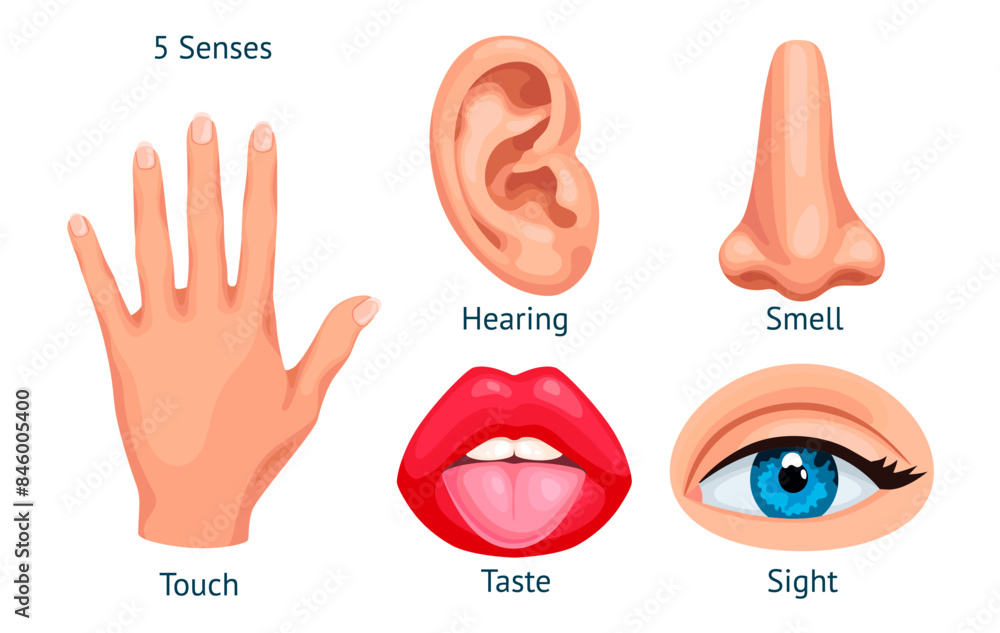
When it comes to ferrets, odor control is a top priority for any responsible owner. Ferrets are notorious for their ability to produce potent smells, and it's not just their urine or feces – their musky aroma can permeate through litter, homes, and even clothes. In this section, we'll delve into innovative methods for minimizing odor levels in litter, including odor-neutralizing products, DIY solutions, and natural fragrances that can help keep your ferret's space smelling fresh.Incorporating odor-neutralizing products into your litter setup can significantly reduce unpleasant smells.
These products typically contain enzymes that break down organic matter, neutralizing odors in the process. For instance, products like Arm & Hammer's Plus OxiClean Clumping Litter or Zero Odor Unscented Litter contain odor-neutralizing agents that work to minimize smells.Natural fragrances are another effective way to minimize odors in ferret litter. Essential oils, in particular, can help mask or eliminate unpleasant smells.
Some common essential oils for odor control include tea tree oil, lavender oil, and lemon oil. However, when using essential oils, it's essential to use them in moderation, as concentrated quantities can be toxic to ferrets.Another DIY solution for odor reduction involves incorporating activated charcoal into your ferret's litter. Activated charcoal has natural odor-absorbing properties, making it an effective tool in minimizing smells.
You can purchase activated charcoal powder or granules online and mix it with your ferret's litter for a more effective odor control system.
Most Effective Litters for Minimizing Unpleasant Smells, Best litter for ferrets
When selecting a litter for your ferret, it's essential to consider the type of litter and its impact on odor levels. In this section, we'll explore some of the most effective litters for minimizing unpleasant smells.
- Recycled paper litter: This type of litter is highly absorbent, making it an excellent choice for ferrets. As the ferret urinates or defecates, the paper particles absorb the liquid, holding it in place and minimizing the risk of spills. This, in turn, reduces odors and mess.
- Pine or cedar litter: These types of litters have natural oils that help repel insects and reduce odors. Pine and cedar litters are also relatively inexpensive and easy to find.
- Clay litter: Clay litters are incredibly effective at absorbing liquid waste, which reduces the risk of spills and odors. However, it's essential to note that clay litters can be dusty and may not be the best choice for ferrets with respiratory issues.
- Crystal litter: Crystal litters, often made from minerals like zeolite or silica, are highly absorbent and odor-neutralizing. They're an excellent choice for ferrets, as they're also dust-free and non-toxic.
Incorporating these odor-reducing methods and litters into your ferret's care routine can make a significant difference in maintaining a fresh and healthy environment. Remember to always clean and maintain your ferret's litter box regularly to ensure optimal odor control and prevention of health issues.
Odor-Neutralizing Products for Ferret Litter
In addition to natural fragrances and DIY solutions, there are various odor-neutralizing products available on the market that can help minimize unpleasant smells in your ferret's litter. Some popular options include:
- Seventh Generation Natural Litter Box Deodorizer
- PetSafe Litter Box Odor Control Powder
- Furminator Litter Box Deodorizer Spray
These products typically contain natural ingredients like baking soda, essential oils, or enzymes that work to break down and neutralize organic matter, reducing odors and keeping your ferret's space smelling fresh.
When it comes to ferrets, the right litter can make all the difference in cleanliness and hygiene, much like the best way to clean car floor mats that requires a combination of soap, water, and scrubbing brush, which you can learn more about here: best way to clean car floor mats. A well-chosen litter helps reduce odor and moisture, creating a healthier environment for your pet to thrive.
I've found that ferrets particularly enjoy pine or recycled paper litter, so do your research to find the best option.
Ending Remarks: Best Litter For Ferrets
Best Litter for Ferrets: The Takeaway
As you now know, choosing the right litter for your ferret goes far beyond picking a cute design or the cheapest option available. By carefully considering the intricacies of ferret care and adopting a proactive approach, you'll not only be saving your furry friend's respiratory and digestive systems but also ensuring they stay happy and content.
Question Bank
What are the essential characteristics of a good ferret litter?
A good ferret litter should be odor-free, non-toxic, have low dust levels, and be cost-effective.
How often should you clean your ferret's litter box?
The litter box should be cleaned daily to remove waste, odor, and prevent the buildup of bacteria.
Can you use pine or cedar litters for ferrets?
It is not advised to use pine or cedar shavings as they can be toxic to ferrets, causing liver damage and other adverse health effects.
What are some eco-friendly litter options for ferrets?
Rock litter, recycled paper, and natural grass litters are great eco-friendly options. Each of these alternatives can help minimize the impact on the environment and are a safe and healthy choice for ferrets.
Leave a Comment
Comments are moderated before appearing. The data you submit is processed according to the Privacy Policy of Webberrepresents.