SexInSpaceCompleteReleaseExploringHumanIntimacyBeyondGravity

Published

Humanity’s final frontier is no longer just about exploration—it is about survival, adaptation, and the unspoken question of how intimacy thrives when Earth’s familiar boundaries dissolve into the void. With space agencies planning long-term missions to Mars and private ventures racing to establish off-world colonies, the taboo of "sex in space" has quietly transitioned from sci-fi fantasy to a pressing scientific and ethical inquiry. The challenges are monumental: microgravity warps physiology, isolation tests psychological resilience, and confined habitats force unprecedented compromises on privacy and personal space. Yet, as astronauts prepare to live and work in environments where every resource is rationed and every decision carries existential weight, the question lingers—can love, desire, and human connection persist beyond gravity’s pull?

From the physiological toll of microgravity on arousal to the psychological strain of prolonged confinement, the barriers to intimacy in space are as complex as they are fascinating. Historical depictions in cinema and literature have long sensationalized the idea, but real-world considerations—medical risks, habitat design, and cultural norms—demand a grounded exploration. This examination peels back the layers of speculation to reveal the stark realities: how hormones may behave in zero-G, the engineering feats required to carve out private spaces in cramped modules, and the ethical dilemmas that arise when consent, power, and survival collide in the cosmos. The stakes are higher than ever, as the first interplanetary couples may soon challenge not just the limits of human endurance, but the very definition of intimacy in an era where the stars are within reach.

SexInSpaceCompleteReleaseExploringHumanIntimacyBeyondGravity

Biological and Psychological Foundations of Intimacy in Microgravity: Challenges and Adaptations for Space Sexuality

SexInSpaceCompleteReleaseExploringHumanIntimacyBeyondGravity

Human sexuality in microgravity represents an intersection of evolutionary biology, neuroscience, and environmental psychology. While Earth-based sexual behavior is shaped by centuries of physiological and cultural conditioning, the extreme conditions of space introduce variables that redefine physical and emotional responses. Astronauts operating in low Earth orbit or beyond face a unique confluence of biological stressors—such as fluid redistribution, muscle degradation, and altered hormonal regulation—while psychological demands, including isolation, confinement, and high-stakes teamwork, further complicate intimacy. Understanding these dynamics requires dissecting the physiological adaptations required for arousal and reproduction in microgravity, alongside the cognitive and emotional recalibrations necessary to sustain relational bonds in an environment devoid of traditional sensory and social cues.

The following analysis explores the scientific underpinnings of sexual activity in space, drawing from terrestrial analogs in extreme environments, hormonal studies in astronauts, and behavioral research in isolated settings. Key considerations include the impact of microgravity on circulatory and musculoskeletal systems, the role of sensory deprivation in altering tactile and emotional responses, and the psychological resilience required to maintain intimacy under conditions of prolonged stress. Medical risks, mitigation strategies, and comparative frameworks—such as those derived from Antarctic expeditions or submarine missions—provide a contextual basis for anticipating and addressing challenges.
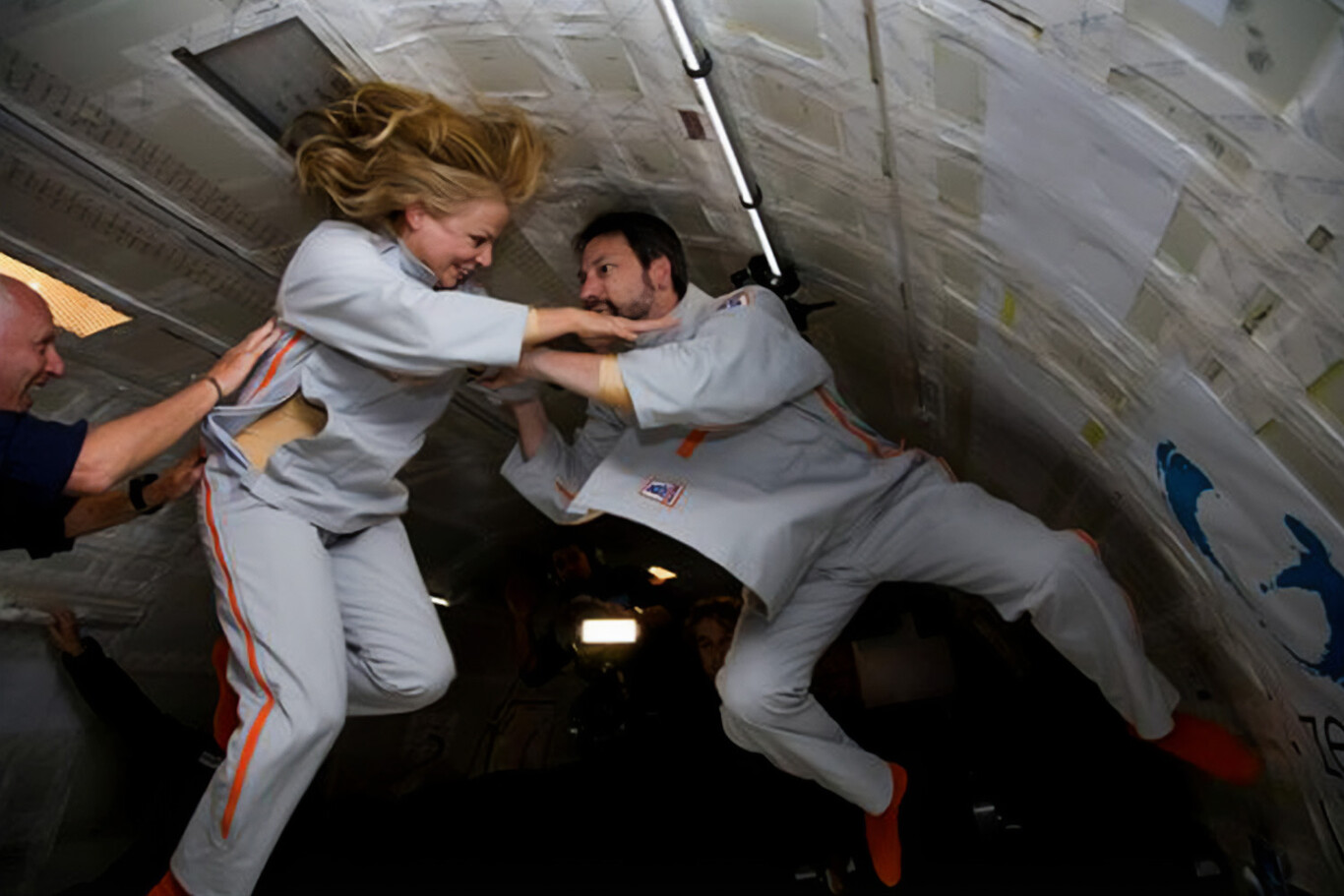
SexInSpaceCompleteReleaseExploringHumanIntimacyBeyondGravity

Physiological Challenges of Microgravity on Sexual Function and Reproduction

Microgravity induces systemic physiological changes that directly influence sexual health, from cardiovascular function to reproductive biology. The absence of gravitational forces leads to fluid redistribution, where bodily fluids shift upward, causing facial edema and intracranial pressure while reducing blood flow to the lower extremities. For sexual function, this redistribution can impair erectile response in males due to diminished arterial blood flow to the penis, as gravity-assisted venous return is absent. Studies on astronauts post-mission reveal reduced testosterone levels in some individuals, potentially linked to stress and altered sleep patterns, further complicating libido and arousal.

Additionally, muscle atrophy and bone density loss—common in long-duration spaceflight—affect physical strength and endurance, which may limit the capacity for sustained physical intimacy. The vestibular system, responsible for balance and spatial orientation, undergoes recalibration in microgravity, potentially altering proprioceptive feedback during tactile interactions. Research on bed-rest studies (simulating microgravity effects) indicates that tactile sensitivity may diminish due to reduced mechanical loading on skin receptors, though some studies suggest heightened sensitivity in other areas as a compensatory mechanism.

Table of Contents

"In microgravity, the body’s fluid dynamics and vascular responses are fundamentally altered, creating a physiological environment that differs markedly from Earth-based conditions. These changes can disrupt the neurovascular pathways critical for sexual arousal and function." — Adapted from NASA’s Human Research Program (2021)

Psychological Adaptations for Intimacy in Isolated and Confined Environments

The psychological landscape of spaceflight introduces stressors that can either inhibit or intensify sexual desire and expression. Isolation and confinement—hallmarks of long-duration missions—have been extensively studied in terrestrial analogs like Antarctic research stations and submarine crews. Findings indicate that while initial periods of high stress may suppress libido, prolonged exposure often leads to heightened emotional dependency among crew members. Studies from the HERA (Human Exploration Research Analog) at NASA’s Johnson Space Center reveal that relationship dynamics in confined spaces evolve into either hyper-intimacy (as a coping mechanism) or avoidance (due to privacy constraints and psychological fatigue).

The lack of privacy in shared living quarters exacerbates challenges, as personal boundaries blur in high-stress environments. Conversely, the absence of external distractions may amplify focus on interpersonal connections, leading to either deepened emotional bonds or conflict if unresolved tensions arise. Research on oxytocin levels—the "bonding hormone"—suggests that while physical touch in space could theoretically boost oxytocin, the stress of microgravity may counteract this effect, leading to variable emotional responses.

"In extreme environments, human behavior often shifts toward either extreme social cohesion or withdrawal. The key determinant is not the environment itself, but the crew’s pre-mission psychological preparation and the presence of structured conflict-resolution mechanisms." — Journal of Environmental Psychology (2019)

Hormonal Shifts in Space: Libido, Arousal, and Emotional Bonding

Prolonged exposure to microgravity triggers endocrine disruptions that may influence sexual health. Testosterone levels in male astronauts have been observed to decline by up to 10% during missions, potentially due to stress, sleep deprivation, and altered circadian rhythms. While the impact on libido varies, some studies suggest that oxytocin and cortisol interactions become more pronounced, with cortisol (the stress hormone) potentially suppressing arousal when elevated. Female astronauts may experience menstrual cycle disruptions due to hormonal fluctuations, though data remains limited.

The serotonin system, which regulates mood and sexual behavior, may also be affected by microgravity-induced vestibular changes, leading to altered sensory processing. Preliminary research indicates that tactile stimulation in microgravity could enhance emotional bonding by overriding some stress responses, though the long-term effects remain speculative. Comparative data from deep-sea divers—who experience similar sensory deprivation—suggest that heightened reliance on non-verbal communication may emerge as a compensatory mechanism.

Comparative Analysis: Biological and Psychological Barriers in Space vs. Terrestrial Extremes

The following table synthesizes key physiological and psychological barriers to sexual activity in space, juxtaposed with Earth-based analogs to provide contextual perspective. Analog environments—such as Antarctic stations, submarines, and high-altitude expeditions—offer insights into how humans adapt (or fail to adapt) to extreme conditions.

Barrier Category Space Environment Antarctic Research Stations Submarine Missions Deep-Sea Divers
Physiological
  • Fluid redistribution → impaired erectile function
  • Muscle atrophy → reduced physical stamina for intimacy
  • Bone density loss → increased injury risk during physical contact
  • Vestibular dysfunction → altered proprioception and balance
  • Cold exposure → vasoconstriction, reduced tactile sensitivity
  • Sleep deprivation → hormonal imbalances (cortisol, melatonin)
  • Hypoxia at high altitudes → reduced oxygenation affecting arousal
  • Confined spaces → limited movement, muscle stiffness
  • Noise and vibration → stress-induced libido suppression
  • Artificial lighting → disrupted circadian rhythms
  • Pressure changes → altered blood flow dynamics
  • Decompression sickness → potential nerve damage affecting sensation
  • Isolation → heightened stress responses
Psychological
  • Isolation → emotional dependency or withdrawal
  • Lack of privacy → suppressed expression of intimacy
  • High-stakes teamwork → potential for conflict over personal boundaries
  • Sensory deprivation → altered tactile and emotional responses
  • Seasonal darkness → seasonal affective disorder (SAD), mood swings
  • Group dynamics → clique formation, social exclusion
  • Delayed communication → frustration and miscommunication
  • Extended confinement → irritability, aggression
  • Limited social interaction → emotional numbness
  • Routine monotony → reduced desire for novelty in relationships
  • Sensory overload (noise, pressure) → stress-induced avoidance
  • High-risk environment → hyper-focus on survival over intimacy
  • Temporary teams → lack of long-term relational investment
Medical Risks
    Historical and Cultural Depictions of Sex in Space – From Fiction to Speculation The intersection of human sexuality and the cosmos has long been a fertile ground for speculation, fear, and fascination. While scientific discussions about space colonization and long-term habitation focus on survival, sustainability, and psychological resilience, popular culture has consistently explored the taboo, the erotic, and the existential within the vacuum of space. These depictions reflect societal anxieties, technological advancements, and shifting cultural attitudes toward intimacy in extreme environments. From the Cold War-era paranoia of nuclear apocalypse narratives to the modern-era optimism of Mars colonization, fictional portrayals of sex in space have evolved in tandem with real-world scientific and ethical debates. This section examines the chronological progression of these depictions, their cultural contexts, and the broader implications for how humanity might—or might not—navigate sexuality beyond Earth. The portrayal of sex in space has mirrored humanity’s relationship with the unknown, oscillating between utopian visions of interstellar romance and dystopian warnings of exploitation and degradation. Early depictions often served as metaphors for Cold War tensions, while later works grappled with the ethical and logistical challenges of long-duration space missions. Below is a curated timeline of notable works, annotated with their societal and technological contexts, illustrating how these narratives have shaped—and been shaped by—public imagination.
    1. 1950s–1960s: The Birth of Space Erotica and Cold War Paranoia The Space Age dawned with a mix of scientific triumph and existential dread. During this era, sex in space was rarely explicit but often implied as a subversive or dangerous concept. One of the earliest references appeared in Isaac Asimov’s The Stars, Like Dust (1951), where interstellar travel is accompanied by themes of human reproduction and genetic engineering, hinting at the fragility of humanity’s future in the cosmos. Meanwhile, Ray Bradbury’s The Martian Chronicles (1950) framed colonization as a mix of wonder and moral decay, with Earth’s sexual mores collapsing under the weight of new frontiers. The societal context of the Cold War amplified fears of contamination—whether biological, ideological, or moral—making space a metaphor for both liberation and corruption.
    2. 1970s–1980s: Space as a Site of Rebellion and Exploitation The Apollo era’s optimism gave way to a more cynical view of space exploration, particularly in film and literature. Stanley Kubrick’s 2001: A Space Odyssey (1968, released 1970) avoided explicit sexual content but used the monolith and HAL 9000’s malfunction as allegories for human instinct and technological betrayal. Meanwhile, Robert Heinlein’s Stranger in a Strange Land (1961), though Earth-bound, influenced later space narratives by exploring sexual liberation as a tool for social revolution. The 1970s saw the rise of softcore space erotica, such as Alfons and Martin’s Barbarella (1968), where space travel became a vehicle for hedonistic fantasy. By the 1980s, William Gibson’s Neuromancer (1984) introduced cybernetic intimacy, blending sex with technology in ways that foreshadowed modern anxieties about AI and human connection in isolated environments.
    3. 1990s–2000s: The Rise of Hard Science Fiction and Ethical Dilemmas With the end of the Cold War, space narratives shifted toward hard science fiction, where the logistics of long-term habitation became central. Kim Stanley Robinson’s Mars Trilogy (1992–1996) depicted the first Martian colonists grappling with reproduction, governance, and the ethical implications of creating a new society. Sex in these works was often a backdrop to survival, reflecting real-world debates about terraforming and genetic adaptation. Meanwhile, James Cameron’s Aliens (1986) and later Ridley Scott’s Prometheus (2012) explored sexual themes as part of existential horror, where reproduction became a battleground between humanity and its creators or discoverers. The 1990s also saw the emergence of space pornography, such as James White’s Sector General series (1957–1975), which blended medical ethics with eroticism, prefiguring modern discussions about medical privacy in space.
    4. 2010s–Present: Realism, Diversity, and the Commercialization of Space The past decade has seen a surge in realistic portrayals of space sexuality, driven by advancements in private spaceflight and renewed interest in Mars colonization. The Expanse (2015–2022), based on Eric Nylund’s novels, presented one of the most nuanced depictions of sex in space, addressing consent, power dynamics, and the psychological toll of isolation. The series’ portrayal of relationships aboard ships and colonies reflected contemporary debates about #MeToo and workplace harassment, extending these discussions into extraterrestrial contexts. Similarly, James S.A. Corey’s The Expanse novels explored polyamory and non-traditional relationships as survival strategies in a fragmented solar system. In contrast, David Brin’s Uplift series (1980s–present) and Andy Weir’s The Martian (2011) avoided explicit sexual content but underscored the loneliness and emotional vulnerability of astronauts, hinting at the unspoken tensions of confined spaces. Concurrently, space tourism and commercial ventures have introduced new speculative elements. Elon Musk’s ambitions with SpaceX and Jeff Bezos’ Blue Origin have sparked discussions about the sexualization of space travel in marketing, while Netflix’s Love, Death & Robots (2019–present) has embraced the absurd and erotic in episodes like "The Witness" (2019), where AI and space colonization intersect with darkly comedic sexual themes.

    Cultural Attitudes Toward Sexuality in Extreme Environments and Their Translation to Space

    Extreme environments—whether war zones, polar expeditions, or deep-sea habitats—have historically forced societies to confront the boundaries of human behavior, particularly around sexuality. These settings often blur the lines between survival, camaraderie, and personal desire, leading to both adaptive and destructive outcomes. The parallels to space colonization are striking, as long-term isolation, confined spaces, and high-stakes missions create conditions ripe for both intimacy and conflict.
    1. Military and Polar Expeditions: Sexuality as a Tool for Cohesion or Control Historical accounts of military units and polar expeditions reveal that sexuality in extreme environments is rarely neutral. During World War II, the U.S. military implemented strict regulations to prevent rape and sexual exploitation, yet informal relationships often formed as coping mechanisms. Similarly, Amundsen’s Antarctic expeditions (early 1900s) documented cases of both forced and consensual relationships, with leaders sometimes using sexual favors to maintain power or morale. These examples illustrate how isolation can amplify existing power dynamics, leading to either solidarity or abuse. In space, where legal frameworks are nonexistent, similar tensions could emerge, particularly in multi-national crews or privatized missions where corporate or national interests might override individual rights.
    2. Frontier Towns and Colonization: Replicating Earth’s Norms or Reinventing Them? The history of frontier towns in the American West offers a case study in how societies adapt—or fail to adapt—sexual norms to new environments. Towns like Deadwood (1870s) and Tombstone (1880s) thrived on prostitution, gambling, and loose moral codes, reflecting the priorities of survival and profit over traditional ethics. Conversely, quaker colonies in Pennsylvania maintained strict religious and sexual norms, demonstrating that cultural values can persist even in isolation. For space colonies, the question arises: Will they replicate Earth’s legal and ethical frameworks, or will they develop entirely new systems? The Asgardia project, a proposed space nation, has sparked debates about whether sovereignty in space should include Earth-like marriage laws or entirely new models of partnership.
    3. Disaster Scenarios: The Psychology of Sexuality Under Stress Natural disasters and accidents have repeatedly shown how stress alters human behavior, including sexual dynamics. The 2011 Fukushima nuclear disaster saw reports of increased prostitution and human trafficking as economic collapse exacerbated vulnerability. Similarly, shipwreck survivors have documented cases of both forced and consensual relationships as a means of survival. In space, where psychological stress is compounded by physical confinement, similar patterns could emerge. NASA’s studies on group dynamics in Antarctic stations have found that intimate relationships can both alleviate and exacerbate tension, depending on how they are managed. The agency’s crew selection and training already

      Engineering and Design Solutions for Intimacy in Space Habitats

      The design of spaces for intimacy in extraterrestrial habitats presents a convergence of engineering challenges, physiological adaptations, and psychological needs. Unlike Earth-based environments where gravity, climate, and infrastructure are relatively stable, space habitats must account for microgravity, radiation exposure, limited resources, and the unique stressors of long-duration missions. Engineering solutions must prioritize safety, functionality, and comfort while integrating advanced materials, robotics, and modular architecture to create spaces that support human intimacy without compromising mission integrity. This section explores structural adaptations, environmental controls, and innovative design strategies to address these complexities, ensuring that spaces for intimacy in orbit, on the Moon, or on Mars are both practical and conducive to human connection.

      Structural and Environmental Challenges in Space Intimacy Design

      Designing spaces for intimacy in microgravity or low-gravity environments introduces a series of structural and environmental hurdles that differ significantly from terrestrial settings. The absence of gravity alters body mechanics, requiring surfaces that prevent drifting, sliding, or unintended movement during physical activity. Noise and vibration, common in spacecraft and habitats due to life-support systems and structural stress, must be mitigated to avoid distractions or discomfort. Additionally, radiation shielding, fire suppression, and waste management systems must be seamlessly integrated without sacrificing privacy or sensory comfort. Gravity Simulation and Surface Stability In microgravity, traditional Earth-based furniture and surfaces fail to provide the necessary stability for intimate activities. Astronauts experience muscle atrophy and altered proprioception, making it difficult to maintain balance or control movements. Solutions include:
    4. Adhesive or magnetic surfaces to anchor bodies and objects, reducing the risk of floating debris or unintended separation.
    5. Adjustable gravity simulation beds with artificial resistance systems, such as bungee cords or electromagnetic fields, to simulate Earth-like body positioning.
    6. Anti-slip materials with textured or porous surfaces to enhance grip, particularly for activities involving movement.
    7. Noise and Vibration Control Space habitats are inherently noisy environments due to machinery, air circulation systems, and structural vibrations. Prolonged exposure to high-decibel noise can lead to stress, fatigue, and auditory discomfort, which may detract from intimacy. Mitigation strategies include:
    8. Acoustic dampening panels made from multi-layered materials (e.g., foam, rubber, or composite fabrics) to absorb sound waves.
    9. Isolated chambers with vibration-absorbing mounts to decouple sensitive areas from the habitat’s structural vibrations.
    10. White noise generators or ambient soundscapes to mask operational noises and create a calming atmosphere.
    11. Radiation and Fire Safety Integration Intimacy spaces must comply with NASA and ESA safety protocols for radiation shielding and fire suppression. Solutions include:
    12. Modular radiation shielding using hydrogen-rich materials (e.g., polyethylene) or water-filled barriers to block cosmic rays while maintaining structural integrity.
    13. Self-extinguishing fabrics and fire-retardant coatings on all surfaces to prevent the spread of flames in low-oxygen environments.
    14. Automated fire suppression systems with gas-based extinguishers (e.g., CO₂ or halon alternatives) that activate at the first sign of smoke or heat.
    15. Specifications for Intimacy Pods in Space Habitats

      To address the unique demands of space-based intimacy, a modular "intimacy pod" design can be proposed, incorporating adaptable features for privacy, safety, and comfort. These pods would be integrated into larger habitat modules, such as those planned for the Lunar Gateway, Mars colonies, or future orbital stations. Key specifications include: Modular and Scalable Design
    16. Compact yet expandable units that can be reconfigured based on mission phase (e.g., shorter pods for transit, larger ones for long-term stays).
    17. Foldable or retractable walls lined with soundproofing and radiation shielding to maximize space efficiency.
    18. Universal docking interfaces allowing pods to connect to life-support systems, waste management, and climate control networks.
    19. Environmental Controls
    20. Temperature regulation via liquid cooling vests or heated surfaces, with adjustable zones to prevent overheating or chilling.
    21. Humidity control to maintain Earth-like conditions, reducing skin irritation and static electricity buildup.
    22. Air filtration systems with HEPA and activated carbon filters to remove odors and allergens, ensuring a fresh atmosphere.
    23. Safety and Hygiene Features
    24. Antimicrobial coatings on all surfaces, including self-sanitizing materials that inhibit bacterial and fungal growth.
    25. Disposable or washable linens made from quick-drying, odor-resistant fabrics (e.g., bamboo or silver-infused textiles).
    26. Emergency release mechanisms for rapid egress in case of fire, decompression, or medical emergencies.
    27. Example: Intimacy Pod Specifications for a Mars Colony
      FeatureEarth-Based Adult PlayroomSpace Intimacy Pod (Mars Colony)
      Size20–40 sq. m (adjustable partitions)12–18 sq. m (modular, collapsible walls)
      Gravity SimulationNone (Earth gravity)Adjustable resistance bed (0.38g simulation)
      SoundproofingAcoustic panels, thick curtainsMulti-layer composite walls with white noise
      LightingDimmable LED, ambient optionsBioluminescent panels + red/blue spectrum
      Waste ManagementPlumbed toilets, disposal binsVacuum-sealed waste containers + composting
      Surface MaterialsWood, leather, velvetMagnetic grip fabric, antimicrobial gel-coat
      Privacy ControlsManual locks, blackout curtainsAI-controlled opacity screens + noise masking
      Climate ControlHVAC with humidity regulationLiquid cooling vests + dehumidifiers
      FurnitureFixed beds, adjustable chairsZero-gravity hammocks, magnetic tables
      Safety SystemsFire alarms, sprinklersGas-based fire suppression + radiation shielding
      Energy SourceGrid-connectedSolar/waste heat hybrid with battery backup

      Adaptive Furniture and Equipment for Microgravity Intimacy

      Furniture and equipment in space intimacy pods must accommodate the physiological and mechanical demands of microgravity while enhancing comfort and safety. Traditional Earth-based designs fail in low-gravity environments, necessitating innovative solutions that prevent drifting, provide stability, and adapt to varying body positions. Adjustable and Anchored Beds
    28. Zero-gravity hammocks with adjustable tension straps to simulate lying down, preventing muscle strain or floating.
    29. Magnetic or suction-cup mattresses that conform to the body while anchoring to the floor or walls.
    30. Inflatable or gel-filled cushions to distribute pressure evenly, reducing the risk of pressure ulcers or discomfort during prolonged use.
    31. Anti-Slip and Positioning Aids
    32. Textured surfaces with raised patterns or adhesive backing to prevent sliding, particularly for activities involving movement.
    33. Body straps or harnesses with quick-release mechanisms for secure positioning without restricting mobility.
    34. Modular platforms that can be reconfigured for sitting, kneeling, or standing positions, using electromagnetic locks for stability.
    35. Climate and Sensory Adaptations
    36. Thermal regulation vests with integrated heating/cooling elements to maintain core body temperature in fluctuating habitat climates.
    37. Vibration-dampening surfaces for furniture to reduce transmission of habitat noise and structural vibrations.
    38. Aromatherapy diffusers with NASA-approved essential oils to enhance mood and relaxation in confined spaces.
    39. Example: Adaptive Equipment for Lunar Habitat Intimacy
    40. Low-gravity loveseats with adjustable angles and magnetic side rails to prevent drifting during use.
    41. Floating storage compartments with suction-cup closures to keep essentials (lubricants, towels) within reach without floating away.
    42. Anti-fatigue mats with gel inserts to reduce strain on joints during extended periods of activity in partial gravity (e.g., 0.16g on the Moon).
    43. Role of Robotics and AI in Space Intimacy

      Automation and artificial intelligence can play a significant role in enhancing privacy, safety, and comfort in space intimacy pods. Robotics and AI systems can handle tasks that are impractical for humans in microgravity, such as adjusting environmental conditions, managing privacy, or even assisting with physical activities. However, ethical considerations—particularly around consent, autonomy, and human-robot interaction—must be carefully addressed. Automated Privacy and Environmental Controls
    44. AI-driven opacity screens that adjust transparency based on motion sensors or voice commands, ensuring privacy without manual intervention.
    45. Climate control robots that monitor and adjust temperature, humidity, and air quality in real time, using predictive algorithms to anticipate occupant needs.
    46. Automated waste management systems with robotic arms to handle disposal or recycling of sensitive materials without human contact.
    47. Robotic Companionship and Assistance

      The frontier of space is no longer just a stage for scientific breakthroughs—it is becoming a crucible where humanity’s most private and profound behaviors are tested against the harsh realities of the cosmos. From the sterile confines of a lunar base to the distant dreams of Martian colonization, the question of how intimacy survives in extreme isolation forces us to confront uncomfortable truths about desire, adaptation, and the fragility of human connection. As engineers design intimacy pods and psychologists study the effects of sensory deprivation on arousal, one thing becomes clear: the universe does not care for our comforts, but neither does it erase the fundamental need for touch, trust, and shared humanity. The next chapter of exploration may well be written not in the logs of astronauts, but in the quiet, unspoken moments of those who dare to love beyond Earth’s atmosphere—where the greatest challenge is not the distance to the stars, but the distance between souls in the endless dark.